

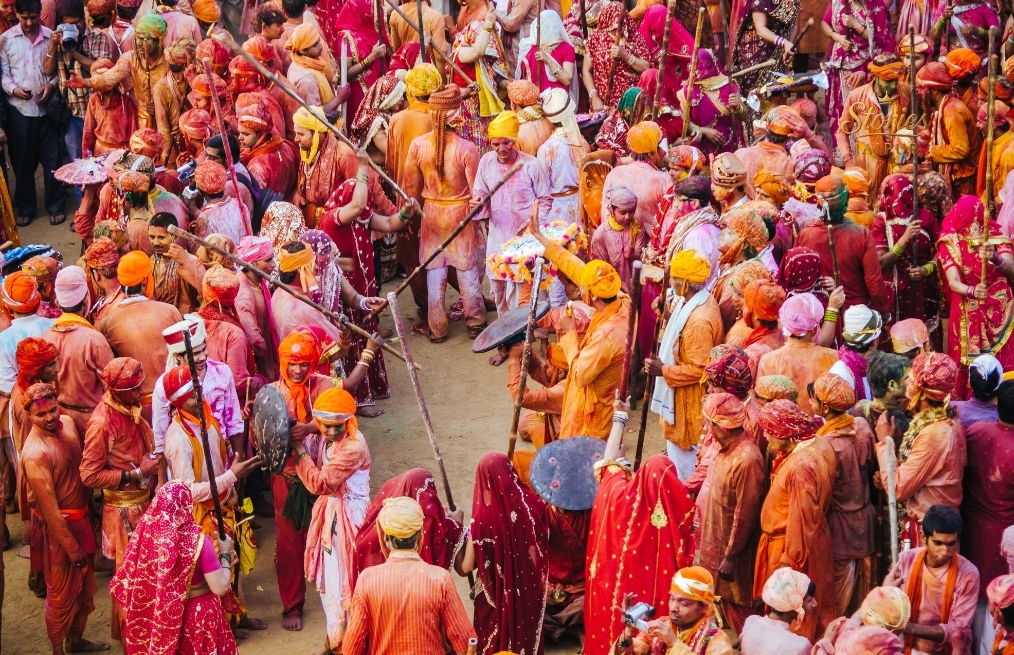
Beyond the grandeur of its palaces and the valour of its kings, Rajasthan’s enduring culture and unique etiquette form the very bedrock of its identity. This fascinating heritage, deeply rooted in its royal past, continues to shape daily interactions, social customs, and the profound respect woven into the fabric of life here in Jaipur and across the state. This article unveils five majestic secrets of Rajasthan’s cultural richness and timeless protocols.
The Art of ‘Khamma Ghani’: More Than Just a Greeting
In Rajasthan, the greeting “Khamma Ghani” is far more than a simple hello; it’s an invocation of peace and well-being, translating roughly to “many pardons” or “many greetings.” It signifies humility, respect, and a warm welcome, particularly when addressing elders or those of higher standing. This traditional greeting often accompanies a slight bow or namaste (palms joined together), reflecting the deep-seated reverence for others. In a land where hospitality is paramount, mastering this greeting opens doors to genuine connection and immediately signals an appreciation for local customs. It’s a testament to a culture that values humility and courtesy above all else.
Rajputana Grace: Etiquette in Every Gesture
The influence of Rajasthan’s regal past is palpable in the refined etiquette observed in various social settings. From the way guests are received to the serving of meals, every gesture carries significance. Offering water upon arrival, insisting on a second helping of food, and engaging in respectful conversation are all hallmarks of Rajasthani hospitality. It is considered impolite to refuse food or drink offered by a host, though one can politely take a small portion. Similarly, sitting cross-legged while eating, avoiding pointing with one’s feet, and always removing shoes before entering a home or place of worship are fundamental courtesies. These unwritten rules, inherited from generations, create a sense of order and mutual respect, reflecting the underlying dignity of the Rajputana way of life.
The Sanctity of the Turban and Odhni: Cultural Dress Codes
The vibrant turbans (pagri or safa) worn by men and the elegant odhnis (veils) donned by women are not merely articles of clothing; they are potent symbols of identity, status, and tradition. The style and colour of a turban can indicate a man’s caste, region, or even his emotional state. For women, the odhni signifies modesty and respect, particularly when entering temples or in the presence of elders. In rural areas, especially, covering one’s head is a sign of reverence. While modern attire is increasingly common, especially among younger generations in urban centres like Jaipur, the traditional dress code holds a sacred place, especially during festivals, ceremonies, and family gatherings. These garments are living legacies, silently narrating tales of heritage and belonging.
Community Spirit: The Unifying Force of Festivals
Rajasthan’s calendar is punctuated by a series of vibrant festivals, each a testament to the strong community bonds that define the region. Whether it’s the joyful celebrations of Diwali, the colourful processions of Gangaur, or the devotional fervour of the Pushkar Fair, these events transcend religious boundaries to become collective expressions of joy, unity, and shared cultural heritage. During festivals, entire villages and neighbourhoods come alive with music, dance, and traditional cuisine. Homes are meticulously cleaned, special dishes are prepared, and families gather, often welcoming strangers with open arms. These festivals are not just occasions for revelry; they are vital opportunities to reinforce social ties, pass down traditions to younger generations, and strengthen the collective spirit of Rajasthan.
Enduring Values: Respect for Elders and Family Hierarchy
At the heart of Rajasthani culture lies an unwavering respect for elders and a strong emphasis on maintaining a traditional family hierarchy. Decisions are often made with the guidance and blessings of the senior-most members, and their wisdom is highly valued. The joint family system, although evolving, remains prevalent, fostering a sense of collective responsibility and mutual support. Children are taught from a young age to touch the feet of elders as a sign of respect (pranam or paer lagna) and to listen attentively to their advice. This deep-seated reverence for age and experience ensures the smooth transmission of cultural knowledge and values from one generation to the next, upholding the timeless traditions that make Rajasthan truly unique.
